
From Doing It All to Leading a Team: Building a Business That Doesn’t Depend on You
Featuring Dave Lee, Founder & President of Design Source Media and DSM Talent | Business Owners Tell All: What It Takes
Business process management and delegation are essential for building a business that can grow without the owner managing every detail. But how do you transition from doing everything yourself to creating a team and systems that operate independently?
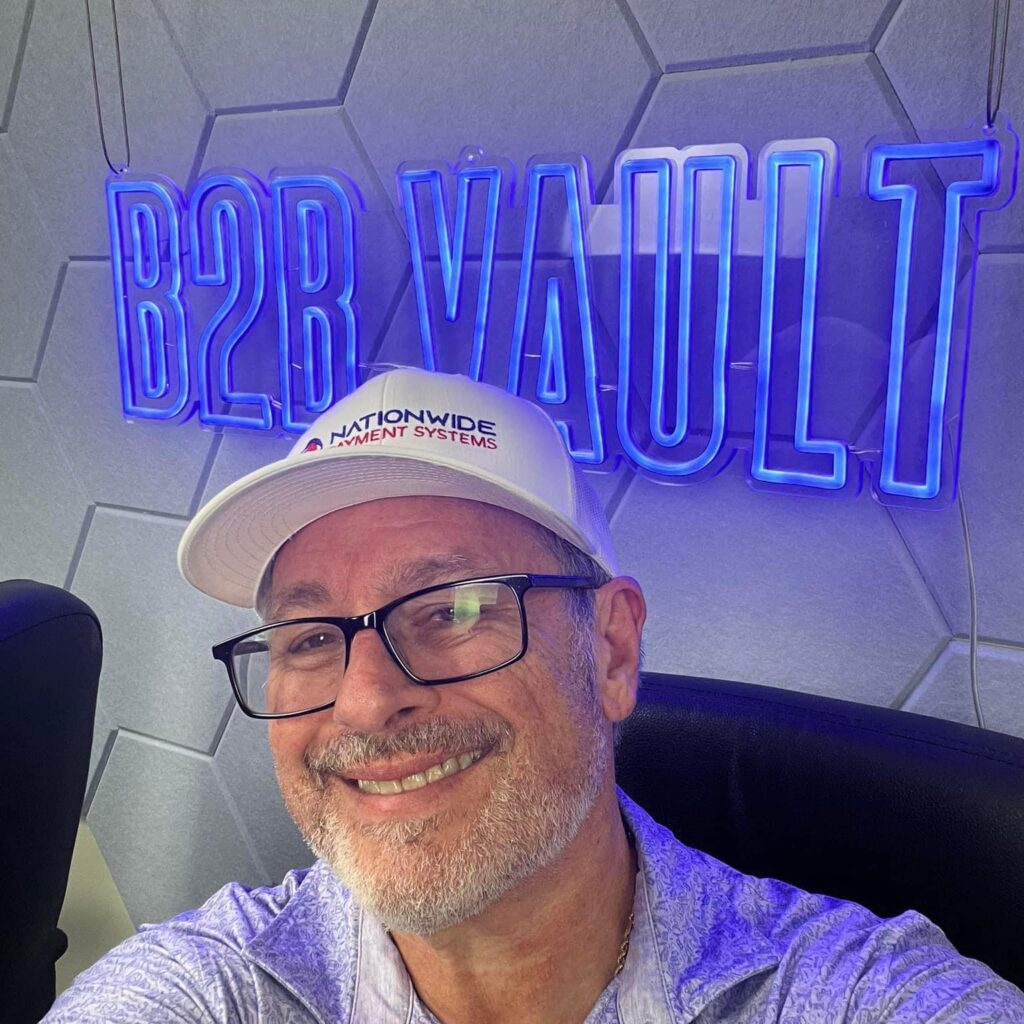
In this episode of Business Owners Tell All: What It Takes, host Tom Irvin sits down with Dave Lee, Founder and President of Design Source Media and DSM Talent, to explore how effective delegation, documented processes, and strong leadership can help business owners scale successfully.
With approximately 15 years of entrepreneurial experience, a background in software engineering, and a remote team of 19 professionals, Dave shares practical lessons about employee development, artificial intelligence, and the leadership strategies that support sustainable business growth.
From Software Engineer to Entrepreneur: Dave Lee’s Business Journey
Dave Lee didn’t begin his career expecting to own a staffing company.
After pursuing an education and career in software engineering, he followed his entrepreneurial ambitions and launched Design Source Media, a web agency that has served organizations ranging from small businesses to Fortune 100 companies.
As his agency grew, Dave developed a remote team based in the Philippines. Other marketing and video agencies began noticing the quality of his employees and asking how he found such talented professionals.
That curiosity revealed an opportunity.
Dave realized that the recruiting and team-building solutions he had developed for his own business could help other entrepreneurs facing similar challenges.
DSM Talent was born from that demand.
Today, Dave leads both Design Source Media and DSM Talent from Michigan, overseeing a team of 19 remote professionals who support marketing, sales, operations, accounting, and other business functions.
His journey demonstrates an important entrepreneurial lesson: sometimes your next business opportunity comes from solving a problem within your existing company.
Why Business Process Management and Delegation Matter for Growth
Many entrepreneurs start businesses because they’re exceptionally good at a particular skill.
They might be talented designers, developers, marketers, consultants, or craftspeople. But as their businesses grow, they discover that being excellent at their craft doesn’t automatically prepare them to manage employees, oversee operations, or develop business strategies.
Dave experienced this firsthand.
Initially, his approach to growth involved hiring additional technical professionals. Looking back, however, he believes one of his most important hires should have happened much earlier: an executive or virtual assistant.
He referenced Dan Martell’s book Buy Back Your Time, which emphasizes delegating responsibilities so business owners can focus on their most valuable contributions.
Dave explained that hiring his first virtual assistant allowed him to transfer administrative work and concentrate on the technical responsibilities that initially drove his business.
He illustrated the concept with a simple example: someone who starts a bakery because they love baking pies probably doesn’t dream about spending their days managing invoices and ordering supplies.
As Dave put it:
“I just want to bake really awesome pies.”
The lesson applies to nearly every industry.
Effective business process management and delegation begin with identifying which responsibilities truly require the owner’s involvement and which can be handled by someone else.
Delegation isn’t simply about reducing your workload. It’s about creating the capacity to focus on activities that move the business forward.
Business Process Management for Remote Teams
Managing remote employees presents challenges that traditional offices may not experience.
Communication, accountability, equipment, internet connectivity, and time-zone differences can all affect productivity.
Dave’s team operates from the Philippines while he manages the organization from Michigan. Despite the significant time difference, he explained that scheduling hasn’t been a major obstacle.
His employees are hired with the understanding that they will work according to U.S. Eastern Time.
Instead, Dave focuses on eliminating the operational barriers that could prevent employees from performing effectively.
Standardizing Equipment and Preparing for Disruptions
The Philippines regularly experiences severe weather, including typhoons, flooding, and power outages.
Rather than treating these disruptions as unexpected problems, Dave’s company builds contingency planning into its remote-work strategy.
After employees complete an approximately three-month trial period, the company provides standardized equipment, including MacBook laptops.
Additional support may include:
- Backup batteries and generators.
- Secondary internet connections.
- Reimbursement for alternative internet access.
- Paid access to coworking spaces when necessary.
- Home-office resources that support productivity.
These measures help employees maintain continuity when circumstances interfere with their normal work environment.
For business owners, the lesson is straightforward: a successful remote team needs more than clear expectations. It needs the infrastructure to meet those expectations.
Employee Retention Starts With Investing in People
Dave’s approach to remote leadership extends beyond technology and productivity.
He believes employees need opportunities to grow professionally and develop meaningful relationships with their colleagues.
His company invests in training, compensation, and team-building experiences designed to strengthen employee engagement.
One particularly memorable example involved sending employees and their families on a trip to South Korea. The gathering included more than 60 people.
The company also organizes annual holiday celebrations that bring team members together from different parts of the Philippines.
Although these experiences require a significant financial investment, Dave believes they provide lasting value.
Employees get opportunities to connect with colleagues, share knowledge, strengthen relationships, and feel part of something larger than their individual responsibilities.
For remote organizations, where casual office interactions don’t happen naturally, creating these opportunities becomes especially important.
The takeaway isn’t that every business needs to organize international trips.
It’s that employee retention and organizational culture require intentional investment, especially when teams work across different locations.
Using AI to Improve Business Process Management
Artificial intelligence has created significant uncertainty about the future of work.
While some organizations focus on replacing employees with automation, Dave takes a different approach.
He believes businesses should invest in teaching employees how to use AI tools to become more effective.
As he explained:
“We want AI to be a multiplier.”
Rather than allowing employees to worry about being replaced, Dave’s organization emphasizes training that helps them develop new capabilities.
This philosophy connects directly to business process management and delegation.
AI can support employees by helping them organize information, refine workflows, analyze existing documentation, and improve repetitive tasks.
However, technology alone doesn’t create an effective business.
Employees still need clear responsibilities, appropriate training, and an understanding of how their work contributes to organizational goals.
Dave’s approach demonstrates how business owners can introduce new technology while continuing to invest in the people responsible for delivering results.
Aligning a Remote Team Through Mission, Vision, and Core Values
As businesses expand, maintaining organizational alignment becomes increasingly challenging.
Dave believes the solution begins with a clearly defined mission, vision, and set of core values.
He considers these principles the foundation for how employees make decisions, prioritize responsibilities, and understand the company’s direction.
His advice to business owners is direct:
“If your organization does not have a mission, vision, and core values, that’s the first thing you need to work on.”
But defining these principles isn’t enough.
Leaders must continually reinforce them.
Dave described how his company uses monthly meetings, leadership conversations, employee development, and performance evaluations to connect everyday responsibilities with organizational priorities.
Leadership and Delegation Strategies That Support Growth
Rather than personally managing every employee, Dave works through a leadership team.
He holds one-on-one meetings with his leaders, who then conduct similar conversations with their direct reports.
This structure helps distribute responsibility while maintaining consistent communication.
Dave also explained that he tries to limit the number of direct reports to approximately seven per manager.
His reasoning is that managing too many people can weaken the personal connection between leaders and employees.
The broader lesson is that effective leadership isn’t about personally supervising everyone.
It’s about developing capable managers who can reinforce expectations, support employees, and make decisions consistent with the company’s vision.
For entrepreneurs struggling to let go of daily operations, this is a critical part of building a business that doesn’t depend entirely on them.
Process Documentation and Effective Delegation
When Tom asked Dave which process or strategic decision he wished he’d implemented earlier, his answer was process documentation.
Dave emphasized the importance of capturing how work gets done, evaluating results, and continuously refining business systems.
Instead of waiting until a process is perfect, he recommends documenting what exists and improving it over time.
His advice:
“Document everything, and even if it’s, like, really sloppy notes, just put it somewhere.”
This approach creates a foundation for continuous improvement.
A business owner can begin by documenting a recurring task, testing whether the instructions produce consistent results, identifying opportunities for improvement, and updating the process accordingly.
Over time, these small improvements create more reliable operations.
How AI Makes Process Documentation More Valuable
Dave also discussed how artificial intelligence has changed the possibilities for process improvement.
Previously, reviewing documentation and identifying improvements required substantial manual effort.
Today, AI tools can help analyze existing information, organize workflows, and suggest refinements.
That makes historical documentation increasingly valuable.
Businesses that consistently capture their processes have more information available to evaluate, improve, and potentially automate.
The goal of business process management isn’t to create documentation that sits unused. It’s to develop repeatable systems that become more effective over time.
Practical Business Process Management and Delegation Strategies
Dave’s experience offers several practical lessons for entrepreneurs who want to reduce their involvement in daily operations while continuing to grow.
1. Identify What Only You Can Do
Review your responsibilities and determine which activities genuinely require your expertise, relationships, or decision-making authority.
Look for administrative and repetitive tasks that someone else could manage.
2. Delegate Before You Become Overwhelmed
Don’t wait until your workload becomes unsustainable.
Consider hiring administrative support to free up time for revenue-generating activities, client relationships, and strategic planning.
3. Document Processes as You Build Them
Start with simple instructions, checklists, or notes.
You can improve the documentation later, but capturing the information creates a valuable starting point.
4. Create Accountability Through Leadership
Establish clear responsibilities, regular communication, and performance expectations.
As your company grows, develop leaders who can manage teams without requiring your involvement in every decision.
5. Invest in Employee Success
Provide the tools, training, and resources employees need to do their jobs effectively.
When team members have the right support, they are better positioned to take ownership of their responsibilities.
6. Use AI to Improve Existing Workflows
Look for opportunities to use AI to strengthen documentation, improve efficiency, and support employee development.
Technology should serve the business strategy rather than replace the need for one.
7. Continuously Revisit Your Systems
Processes that worked when your company had three employees may not work when it has 20.
Build regular opportunities to evaluate what’s working, identify bottlenecks, and make improvements.
What Does It Really Take to Be a Business Owner?
Every episode of Business Owners Tell All: What It Takes ends with the same question:
What does it really take to be a business owner?
For Dave Lee, the answer is a combination of grit and vision.
Grit helps entrepreneurs persevere through difficult circumstances. It provides the determination to keep moving when challenges arise.
But Dave cautioned that grit alone isn’t enough.
He shared that he has experienced burnout and believes the constant pressure associated with hustle culture can eventually become unsustainable.
A compelling vision provides the other essential ingredient.
Business owners need a meaningful reason for pursuing their goals, something stronger than simply wanting to make more money or escape an unpleasant job.
As Dave explained:
“That vision is, like, your purpose.”
When entrepreneurs combine determination with a strong sense of purpose, they’re better equipped to navigate the inevitable difficulties of business ownership.
Business Process Management and Delegation: Final Takeaways
One of the biggest challenges entrepreneurs face is learning to transition from doing the work to leading the people and systems responsible for getting that work done.
Dave Lee’s experience with Design Source Media and DSM Talent illustrates how that transition requires deliberate choices.
Hiring the right people matters, but so does giving them the tools, training, processes, and leadership needed to succeed.
Business process management and delegation aren’t just operational improvements. They’re essential steps toward building a more scalable organization.
For business owners who feel responsible for every decision, every task, and every outcome, Dave’s story offers an important reminder:
You don’t have to do everything yourself to build a successful business. You need to build a team and systems that allow the business to succeed together.
Build Better Business Systems With Seeker Solution
Creating a business that operates efficiently requires more than hiring the right people. It takes documented processes, clear responsibilities, and a strategy that supports sustainable growth.
At Seeker Solution, we help business owners strengthen their operations, improve workflows, and build the organizational structure needed to grow.
Explore how Seeker Solution supports business owners through strategic and operational solutions.
Listen to Business Owners Tell All: What It Takes
Want to hear more about Dave Lee’s approach to delegation, remote leadership, and process management?
Listen to this episode of Business Owners Tell All: What It Takes, where host Tom Irvin explores the real experiences, lessons, and challenges behind building a business.
Connect with Dave Lee:
- Design Source Media: https://getdsm.com/
- DSM Talent: https://dsmtalent.com/
- LinkedIn: https://www.linkedin.com/in/davetechlee
- Instagram: https://www.instagram.com/davetechlee
- Facebook: https://www.facebook.com/davetechlee
Business Owners Tell All: What It Takes features conversations with entrepreneurs about the decisions, challenges, and lessons that shape their businesses.
Explore more episodes and discover what it really takes to be a business owner.